
Career Connect Youth Ambassador Astrid gives her views on the Government’s new Youth Strategy, and what it could mean for young people.
Career Connect Youth Ambassador Astrid gives her views on the Government’s new Youth Strategy, and what it could mean for young people.

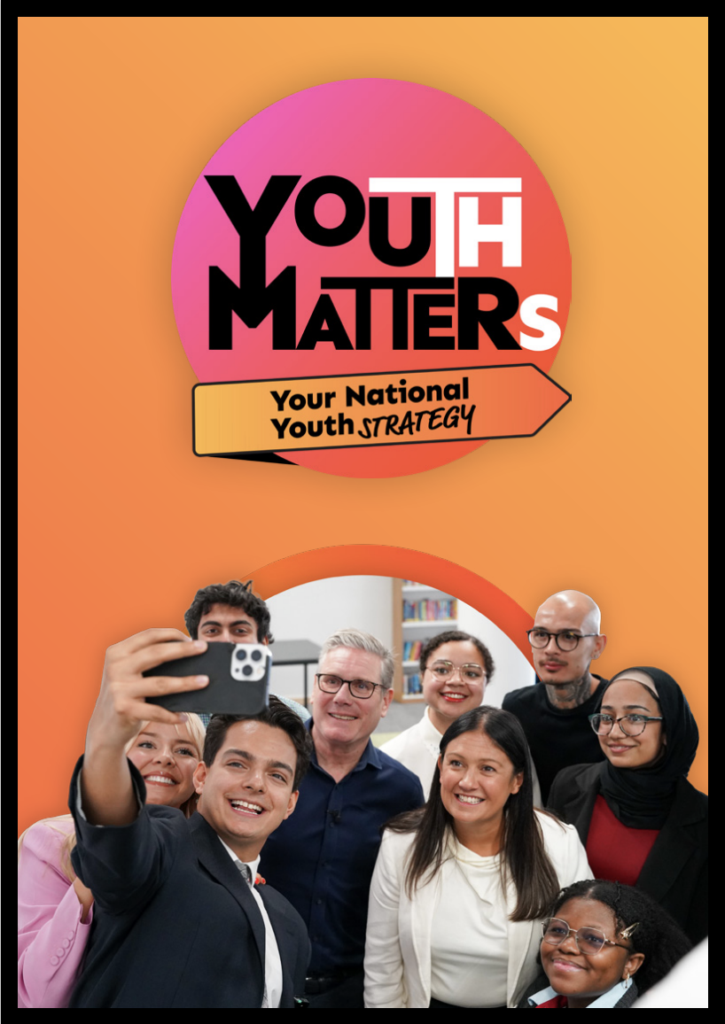
The Youth Matters: National Youth Strategy released in December 2025 has gathered lots of interest – and I can say I was happy to contribute to the UK Government’s strategy by filling out the nationwide survey and even being in a focus group to directly give feedback.
As a young person, data like this is immensely valuable, with more participation leading to more helpful and accurate results. And as a Career Connect Youth Ambassador, this strategy is paramount to show how young people can indeed be integrated properly into everyday politics, activities, and wellbeing.
Personally, I have identified some notable actions within the strategy; why they matter to me as a Youth Ambassador, and how I hope they can support Career Connect’s mission as a whole.
Action 2: Strengthening the workplace
Such investment in training mentors, trusted adults, and youth workers strengthens the quality and reach of youth engagement.
By supporting the adults who work most closely with young people, this investment ensures that career advice is provided by people who are informed about education and career pathways.
This leads to better decisions made and increased confidence about next steps.
The government has committed £15 million over three years to support this investment, recognising the role of trusted adults in improving career outcomes for young people.
Action 5: Good work
This action encapsulates everything I stand for as a youth representative of Career Connect, revolving around career access, career support, and career preparation. I think it has been nicely addressed through the mention of training young people in new skills to navigate the developing economy and job market.
This pledge:
“investing £820 million over the next 3 years to deliver an expanded Youth Guarantee across Great Britain, supporting every 16- to 24-year-old into learning, jobs, or apprenticeships with tailored help, expanded opportunities, over 360 employment Youth Hubs, and guaranteed paid work for 18 to 21 year-olds on Universal Credit and looking for work for 18 months”
is proof of intent to increase job opportunities and maintain them, and hopefully even creates opportunities to stengthen partnership working.
I hope that the government will be as inclusive as possible in helping young people who are the most disadvantaged to access what is on offer.
Action 9: Delivering with young people
This action of the strategy emphasises meaningful youth participation in civic and democratic life.
For example, the Votes at 16 campaign, led by My Life My Say, helped bring young people into politics earlier and normalise youth voice in governance, reinforcing the need for high quality political education.
This early exposure to policy and commissioning can build valuable, transferable career skills, while designing programmes with young people ensures opportunities reflect real barriers and lived experience, increasing their effectiveness. In regard to Career Connect, this action advances their mission by equipping more young people with the confidence they need to pursue education and career pathways.
So, this National Youth Strategy is now in motion and already on the way to create what could be significant progress. Over the next decade, the strategy has the potential to deliver real impact to young people, so it will be exciting to see how these opportunities unfold and create change across the sector.